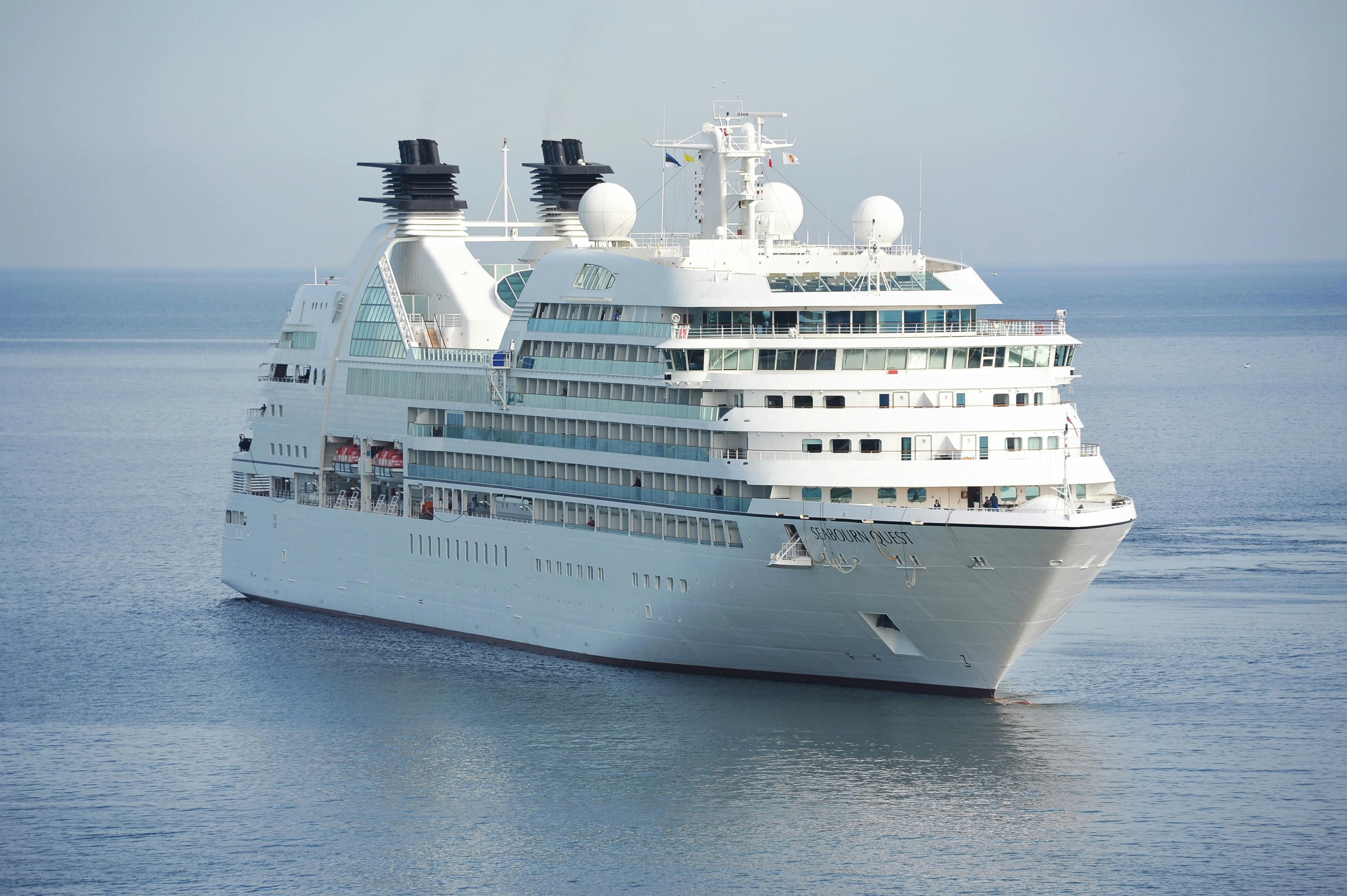
The cargo ship Baychimo was found completely upright on the sea floor decades after drifting away from its crew in the icy Arctic water. Ghost ships usually sink fast, but this wooden freighter stayed in deep water without any people on board for nearly forty years.
If you want the short version, the Baychimo became an Arctic legend because strong wooden framing and empty cargo holds kept the vessel balanced while it floated alone near Alaska before finally slipping below the waves in a vertical position.
How the Baychimo Got Trapped in the Ice
In 1931, the Hudson Bay Company ship loaded up with precious furs in Canada. Captain John Cornwell pointed the bow toward home, but an early winter freeze locked the steel and wood hull into solid pack ice near Barrow, Alaska. Crew members tried to dig the ship out with hand tools for days, yet freezing temperatures won the fight.
Temperatures dropped to minus sixty degrees. Snow piled high against the deck rails. The company sent planes to take most of the sailors to safety, but a small group stayed behind in a rough wooden shack on the shore to guard the valuable cargo of animal pelts. You might think those men went crazy from the cold, but they survived by hunting local seals and burning scrap wood.
One night in November, a massive blizzard blew through the region. When the morning sun finally broke through the heavy grey clouds, the Baychimo was gone. The storm had broken the ice pack and carried the ship away into the dark sea.

Forty Years of Ghost Ship Sightings
Sailors in the Bering Sea started seeing the empty freighter drifting without lights in the fog. Sometimes the ship sat dead in the water. Other times it moved past fishing boats with sails tattered and torn by wind. People across Alaska began to share tales about the phantom vessel that refused to sink.
Several brave crews managed to board the drifting ghost ship over the years. They found warm cabins, heavy wool coats left on chairs, and large piles of untouched furs. Bad weather always forced those rescue teams to leave before they could tow the ship back to a safe harbor. Even if you love true stories, tracking a moving ghost ship sounds like a spooky movie.
The Canadian government launched a major search for the ship in 2006 to solve the mystery once and for all. Teams used modern sonar to scan the dark ocean floor near the spot where locals last saw the hull. They wanted to know why the ship stayed upright instead of rolling onto its side during the final plunge. You can read more about how people share these incredible tales by checking out this guide on Oral history methods.
Why Did the Ship Stay Upright on the Sea Floor?
Marine experts figured out the weird physics behind the final resting place of the Baychimo. Heavy iron machinery sat right on the bottom of the hold, and empty wooden rooms stayed filled with trapped air at the top. This smart balance acted like a weighted toy that always pops back up.
When the hull finally filled with water and sank into the deep mud, the heavy bottom hit first. The top cabins stayed dry for a short time, which kept the structure straight as a pin. Experts study these unique events to learn about how wood and steel react to extreme ocean pressure over long periods.
Many modern travelers try to sail the same cold waters today. They use gear that helps them stay warm, much like the Survival skills used by early Arctic explorers. For a different look at how transport issues change the world, take a look at Bitcoin Slips as Democratic Sweep Bets Threaten Crypto Agenda right now.
Divers still dream of finding the exact spot where the wood rests in the dark silt. Salt water has not destroyed the old oak beams yet, because the deep Arctic stays very cold all year long. You can visit this site to find more strange tales about lost objects.
What the Baychimo Teaches Us About the Ocean
The sea holds secrets that defy simple logic. A normal ship should rot or break apart after a few storms, but the Baychimo stayed tough against wind, ice, and deep water pressure.
Think about how small human things look next to the wild power of the open ocean. Next time you look out at a big lake or the ocean, remember the ship that sailed itself for forty years without a single person at the wheel.
Comments
Post a Comment