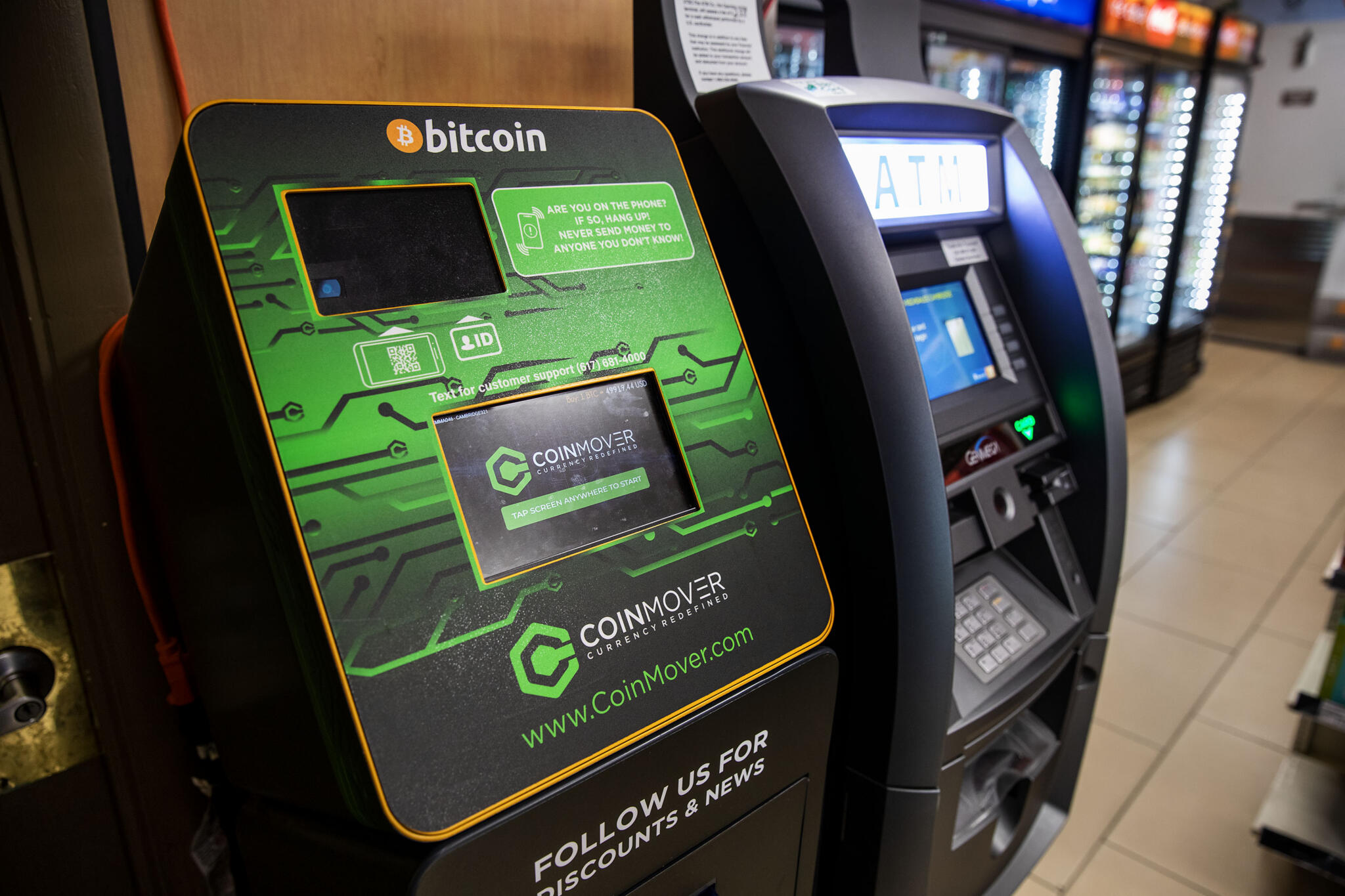
The Springfield City Council will consider a full ban on cryptocurrency kiosks to prevent scams. Local leaders want to stop bad actors from using these machines to steal money from residents. If the council passes the rule, public crypto kiosks will no longer operate in the area.
Why is Springfield considering a crypto kiosk ban?
City officials worry that crypto ATMs make it too easy for scammers to take cash from unsuspecting victims. Scammers often trick people into depositing money at local machines using fake emergencies or false claims. A complete ban would remove these machines from local stores and gas stations entirely.
Leaders in Springfield, Massachusetts want to take strong action before more residents lose their hard-earned savings. By shutting down the kiosks, the city hopes to cut off a major tool that criminals use to move stolen funds quickly. Lawmakers believe public safety comes before convenient access to physical cash-to-crypto machines.
How do cryptocurrency kiosks work?
Cryptocurrency kiosks look a lot like standard bank ATMs, but they handle digital assets instead of traditional bank accounts. A user puts cash into the machine, types in a digital wallet address, and receives crypto in return. The process takes just a few minutes, which gives victims very little time to realize they are being scammed.
While many people use these machines for real transactions, bad actors abuse the simple setup. They direct target victims to nearby machines and tell them to send cash immediately. Once the cash goes into the kiosk, the digital money disappears into a fraudster wallet, making it almost impossible for police to trace or recover.
What does a crypto kiosk ban mean for local crypto users?
If the proposed ban passes, everyday users will no longer be able to buy or sell digital coins at physical kiosks inside the city limits. People who rely on cash to buy crypto will have to switch to online exchanges or travel outside the city. However, basic online trading through mobile phone apps will not change under this local rule.
Supporters of the ban say that protecting vulnerable people from financial harm is worth the small loss of convenience. They argue that normal crypto users can easily trade online without needing a physical kiosk. Opponents usually worry that banning kiosks hurts legitimate business owners who earn extra income by hosting the machines in their shops.
What is next for the Springfield crypto kiosk ban proposal?
The Springfield City Council will discuss the proposal during an upcoming public meeting. Members of the community will have the chance to share their thoughts before council members take an official vote. You can follow local government updates to see if the measure passes into law.
If the city council votes yes, Springfield will set a big example for other towns looking to fight financial fraud. Many local governments across the country are watching this case closely to decide if they should block kiosks in their own neighborhoods. For now, the future of these local cash-to-crypto machines rests entirely in the hands of the council.
Comments
Post a Comment