
FBI's Criminal Database Hacked: What We Know About the Breach of America's Crime Records

Hackers have broken into one of the most sensitive databases in American law enforcement. The FBI has confirmed that its National Crime Information Center — the system police officers across the country use to check criminal records — was hacked, and sources say the intruders got away with highly personal data. Here is what we know so far.

FBI's Criminal Database Hacked: What We Know About the Breach of America's Crime Records


The FBI confirmed hackers breached its National Crime Information Center database. (Image: Viral Fact Journal)

What Happened to the FBI’s Database?

The FBI confirmed this week that hackers gained access to its National Crime Information Center (NCIC) database. The breach was first reported by CNN, citing sources familiar with the matter, and was later confirmed by the FBI, which said it was aware of the reports and investigating. The intrusion is believed to have taken place recently, and the FBI is working to determine the full scope of what was taken.

What Is the NCIC, and Why Does It Matter?

The NCIC is the FBI’s central database of criminal justice information, used by federal, state and local law enforcement across the United States. Officers query it during traffic stops, arrests and investigations to check for outstanding warrants, criminal histories, missing persons and stolen property.

Because it holds records on millions of people, a breach of the NCIC is far more serious than a typical corporate hack — the data inside can be used for identity theft, fraud and even to target individuals.

What Data Did the Hackers Get?

According to sources cited by CNN and Reuters, the hackers accessed personal information including names, dates of birth, home addresses, Social Security numbers and criminal history records. The exact number of people affected has not been confirmed, and the FBI has not said publicly how the intruders got in or how long they had access.

The stolen data is especially valuable to criminals because it combines identity details with criminal records — the kind of information that can be used to open accounts, apply for loans or impersonate someone.
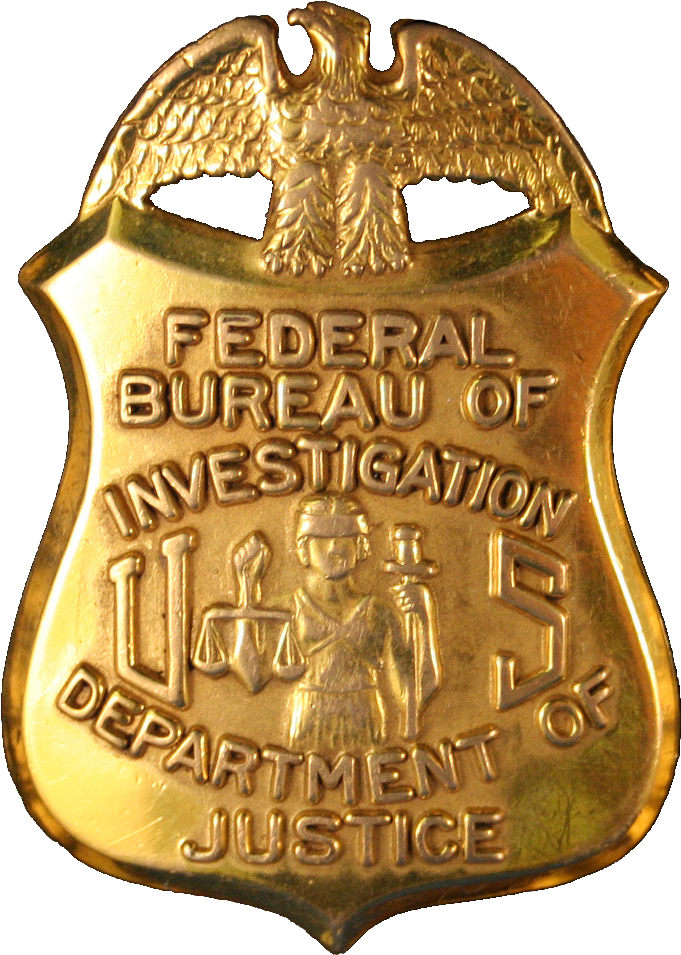
FBI's Criminal Database Hacked: What We Know About the Breach of America's Crime Records


The NCIC holds criminal records used by police across the United States. (Image: Viral Fact Journal)

How Did the FBI Respond?

The FBI said it was aware of the claims and was investigating the incident, and that it took the security of its systems seriously. US officials have not yet named the hackers or said whether a foreign government or a criminal group was behind the attack.

Cybersecurity experts note that the breach comes in the same week that the US Department of Agriculture was also hacked, raising questions about the security of federal government systems.

FBI's Criminal Database Hacked: What We Know About the Breach of America's Crime Records


The FBI said it is investigating the breach. (Image: Viral Fact Journal)

What Happens Next?

The FBI is expected to notify people whose data was exposed and to work with other agencies to assess the damage. Lawmakers are likely to ask tough questions about how hackers got into such a sensitive system — and what is being done to stop it happening again.

For ordinary Americans, the advice is familiar but important: watch your credit reports, turn on two-factor authentication, and be alert to phishing messages that use personal details to look convincing. If the NCIC data is sold or leaked online, identity theft could follow.

A breach of the FBI’s own crime database is a reminder that no system is untouchable. Do you think the government is doing enough to protect the personal data it holds — or is this breach a wake-up call? Let us know in the comments.


Comments

Popular posts from this blog

Captain Chesley Sullenberger and the Miracle on the Hudson

Photo: Wikimedia Commons Captain Chesley Sullenberger landed US Airways Flight 1549 on the Hudson River after both engines failed. It was a cold January afternoon in 2009 when 155 people thought their lives were over. This landing became known as the Miracle on the Hudson because everyone survived against impossible odds. The plane took off from LaGuardia Airport in New York City at 3:24 PM. It was a normal flight headed for Charlotte, North Carolina. Less than two minutes into the air, a flock of Canadian geese hit the plane. The birds were sucked into both engines, causing them to lose all power immediately. At only 2,800 feet, the plane turned into a 75-ton glider over one of the most crowded cities on earth. What happened during the Hudson River landing? Captain Sullenberger, known as Sully, had to make a choice in seconds. He felt the plane shudder and heard the engines go quiet. He took control from his co-pilot, Jeff Skiles. They tried to restart the engines, but nothing h...

The Dog That Waited Ten Years at Shibuya Station

Photo: Wikimedia Commons The dog that waited ten years at a train station was named Hachiko. Every afternoon at three, he walked down to Shibuya Station in Tokyo and sat near the exit. He was waiting for a man who died in 1925 and never came home. Hachiko kept going back anyway. Day after day, through ice and heavy rain, he stayed on that cold concrete until he could barely stand. Here is what really happened during those ten long years. A Golden Pup and a Tokyo Professor It started in early 1924. Hidesaburo Ueno was a professor of agriculture at Tokyo Imperial University. He wanted a pure Japanese Akita dog, which was hard to find back then. A farmer sent him an eight-week-old puppy inside a small wooden box on a train. The puppy arrived sick and weak. Professor Ueno and his wife warmed him by their stove and nursed him back to life. They named him Hachiko because his front legs curved outward, looking like the Japanese character for the number eight. Ueno did not treat the p...

Bitcoin Bounces Back Above $60,000 After Crashing to Its Lowest Level in Two Years

Bitcoin staged a dramatic comeback on Sunday, climbing back above $60,000 just one day after crashing to its lowest level in more than two years. The rebound gave battered crypto investors a reason to breathe — but after a brutal few weeks, the big question is whether the worst is really over. Bitcoin rebounded above $60,000 after crashing to a two-year low. (Image: Viral Fact Journal) What Happened to Bitcoin This Week? The world’s largest cryptocurrency fell to $55,130 early on Saturday, November 21 — its lowest price since September 2024, according to CoinDesk. The drop capped a dizzying fall from the record high of about $126,000 that bitcoin touched in early October, leaving the token down nearly 50% from its peak in just over a month. Then, on Sunday, buyers stepped back in. Bitcoin climbed more than 9% from its low and pushed back above $60,000, a level traders had been watching as a key psychological line. Reuters reported the token trading up 2.14% on the day at more than $60,...